


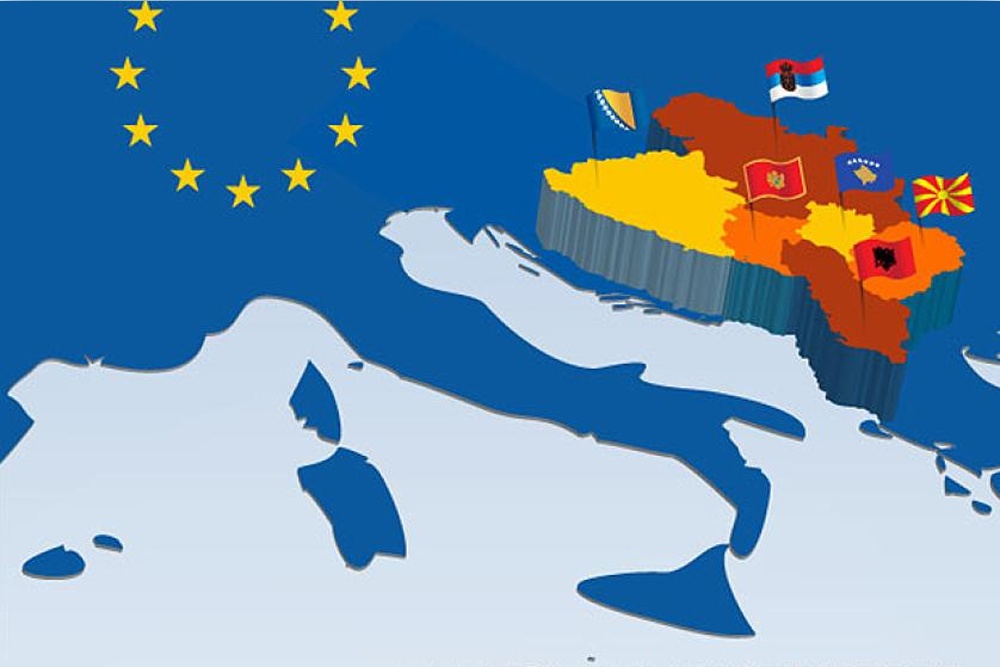
For much of the last two decades, the Western Balkans were viewed through the lens of European integration, post-conflict reconciliation, and institutional modernization. The dominant assumption among policymakers was that the region’s future would be shaped primarily by accession to European structures and gradual integration into a broader Euro-Atlantic security framework. Yet recent developments suggest a different trajectory. Instead of moving toward a unified security architecture, the Balkans are increasingly reverting to a familiar historical pattern: balance-of-power politics, military alliances, and strategic competition.
What makes this transformation particularly significant is that it combines nineteenth-century geopolitical logic with twenty-first-century military technology. Regional states are not merely strengthening their armed forces; they are seeking technological autonomy, investing in advanced defense industries, and building new military partnerships designed to enhance both deterrence and political influence. A major turning point occurred in 2025 when Albania, Kosovo, and Croatia formalized their growing military cooperation through a trilateral defense agreement. Officially, the arrangement was presented as a mechanism for strengthening defense capabilities, improving military interoperability, countering hybrid threats, and supporting Euro-Atlantic integration. However, the agreement carried broader geopolitical implications. By institutionalizing military cooperation among the three states, it effectively created a new defense bloc within the region. The alliance quickly moved beyond diplomatic symbolism, with plans for joint military exercises, coordinated procurement programs, and closer cooperation between defense industries.
Just weeks after the trilateral agreement was signed, Serbia and Hungary announced a major expansion of their own military partnership. Defense officials from the two countries agreed on dozens of joint activities and initiatives aimed at strengthening security cooperation. Taken together, these developments signaled the emergence of two distinct strategic clusters in the Western Balkans. Rather than relying exclusively on multinational institutions, regional actors increasingly appear to be pursuing security through subregional partnerships and military balancing. This evolution reflects a recurring historical pattern. Throughout Balkan history, rival alliances often emerged around competing centers of influence, with external powers supporting different regional partners. Today’s environment differs in many respects, yet the underlying logic remains surprisingly familiar.
Among the countries involved, Croatia occupies a particularly important position. As a member of both NATO and the European Union, Zagreb enjoys access to Western security institutions while simultaneously acting as a regional power in its own right. Through its cooperation with Albania and Kosovo, Croatia is positioning itself as a central player in Balkan defense affairs.
The trilateral partnership provides Zagreb with an opportunity to exercise leadership beyond its national borders. By coordinating military modernization efforts and promoting defense-industrial cooperation, Croatia strengthens its influence while reinforcing its strategic ties with Washington and Brussels. At a time when NATO faces major commitments elsewhere, including Eastern Europe and the Middle East, regional initiatives may become increasingly important for maintaining stability on the alliance’s southeastern flank. From this perspective, the Croatia-Albania-Kosovo partnership can be understood not only as a defense arrangement but also as an effort to shape the future security architecture of the Western Balkans. Serbia has viewed these developments with concern.
President Aleksandar Vučić has openly identified the emerging military cooperation between Croatia, Albania, and Kosovo as one of the principal security challenges facing Serbia. Given Belgrade’s position on Kosovo and its longstanding regional disputes, the perception of encirclement has become an influential factor in Serbian strategic thinking. Rather than accepting a passive role, Serbia has responded by accelerating its own defense transformation. Military spending has increased significantly, with substantial resources allocated to modernization programs. The government has announced ambitious goals for expanding military personnel, improving operational capabilities, and increasing overall combat readiness. At the same time, Serbia has pursued a strategy of diversification. Instead of relying on a single security partner, Belgrade has expanded defense contacts with multiple countries, including Hungary, Turkey, India, Slovakia, and Israel.
This approach reflects a key difference between contemporary geopolitics and earlier historical periods. While nineteenth-century states often depended heavily on a single great-power patron, modern states possess greater flexibility in building diverse security relationships. Serbia’s objective appears to be reducing vulnerability to external pressure by maintaining multiple strategic options. Perhaps the most important aspect of the region’s transformation is the growing emphasis on technological sovereignty.
Military power in the twenty-first century is no longer measured solely by troop numbers or conventional weapon systems. Increasingly, it depends on access to advanced technologies, including drones, air-defense systems, cyber capabilities, and autonomous platforms. Recognizing this reality, Serbia has invested heavily in developing its domestic defense industry. Plans for new drone production facilities, including projects involving international technological cooperation, illustrate the country’s determination to strengthen indigenous military capabilities.
Other regional actors are pursuing similar goals. Joint procurement initiatives and defense-industrial partnerships are becoming central components of military cooperation agreements. The focus is shifting from simply acquiring weapons to integrating national industries into broader technological ecosystems. This trend highlights a broader transformation in global security affairs. States increasingly view technological independence as an essential component of strategic autonomy. Dependence on external suppliers can create vulnerabilities during periods of geopolitical tension, making domestic innovation and production capabilities increasingly valuable.
One of the most intriguing aspects of current Balkan developments is that they are occurring despite the presence of established security institutions. Traditionally, NATO membership and the prospect of European integration were expected to reduce the need for regional military balancing. Yet recent events suggest that national governments continue to prioritize independent defense initiatives alongside their commitments to broader alliances.
Even NATO members are pursuing parallel partnerships with external actors. Croatia cooperates closely with the United States while exploring regional initiatives. Hungary has developed its own distinctive security policies within the alliance framework. Serbia continues to cultivate ties with a diverse range of international partners despite remaining outside NATO. These choices indicate that regional governments increasingly seek flexibility rather than exclusive alignment. In a world characterized by growing geopolitical competition, states appear reluctant to depend entirely on any single center of power.
Despite rising military activity, the likelihood of direct conflict remains relatively low. The presence of NATO in parts of the region, combined with extensive diplomatic engagement and economic interdependence, creates strong incentives for restraint. However, the absence of war does not necessarily imply the absence of rivalry. Instead, the Western Balkans may be entering a period best described as an “armed peace”. Under such conditions, states continue to strengthen their military capabilities, conduct exercises, and build alliances, not in preparation for immediate conflict but as instruments of deterrence and political influence. This dynamic closely resembles historical balance-of-power systems in which stability was maintained through military preparedness rather than institutional integration alone.
The Western Balkans are experiencing a profound strategic transformation. The region is moving away from a security model based primarily on soft power, integration, and international institutions toward one increasingly shaped by military partnerships, technological competition, and geopolitical balancing. The emerging alignments involving Croatia, Albania, Kosovo, Serbia, and Hungary demonstrate that traditional concepts of power politics remain highly relevant. Yet these dynamics are unfolding in a radically different technological environment, where drones, defense industries, and technological sovereignty play roles once occupied by fortresses and mass armies. As a result, the Balkans are not simply repeating their past. They are adapting historical geopolitical logic to the realities of the twenty-first century. The outcome will shape not only regional security but also the broader strategic landscape of Europe in the years ahead.


























Comments