


On February 6, 2026, Moscow was shaken by an assassination attempt on Lieutenant General Vladimir Alekseev, First Deputy Chief of the Main Directorate of the General Staff of the Russian Armed Forces (formerly GRU). An unidentified assailant ambushed him in the entrance hall—or, according to some reports, the elevator lobby on the 24th floor—of a residential high-rise on Volokolamskoye Highway, firing several shots into his back. Alekseev sustained severe wounds to the leg, arm, and chest; despite heavy bleeding and life-threatening injuries to vital organs, the general fought back, attempting to disarm his attacker, which sources close to law enforcement credit with saving his life. He was rushed to one of Moscow’s hospitals and remains in intensive care, with doctors preparing for another surgery; his condition is described as critical but stable.

The Investigative Committee immediately opened a criminal case under articles for attempted murder and illegal possession and trafficking of firearms. The perpetrator fled the scene; a large-scale manhunt is underway, with early unconfirmed reports suggesting the killer may have posed as a food delivery courier to gain access to the building. Among the primary investigative lines is Alekseev’s professional role: a Hero of Russia (awarded in 2017), veteran of the Syrian operation where he played a key part in planning and directing combat operations, and since 2011 the first deputy head of the Main Directorate, overseeing sensitive intelligence domains—including innovative units and cutting-edge technical projects that have yielded tangible battlefield successes in recent years.
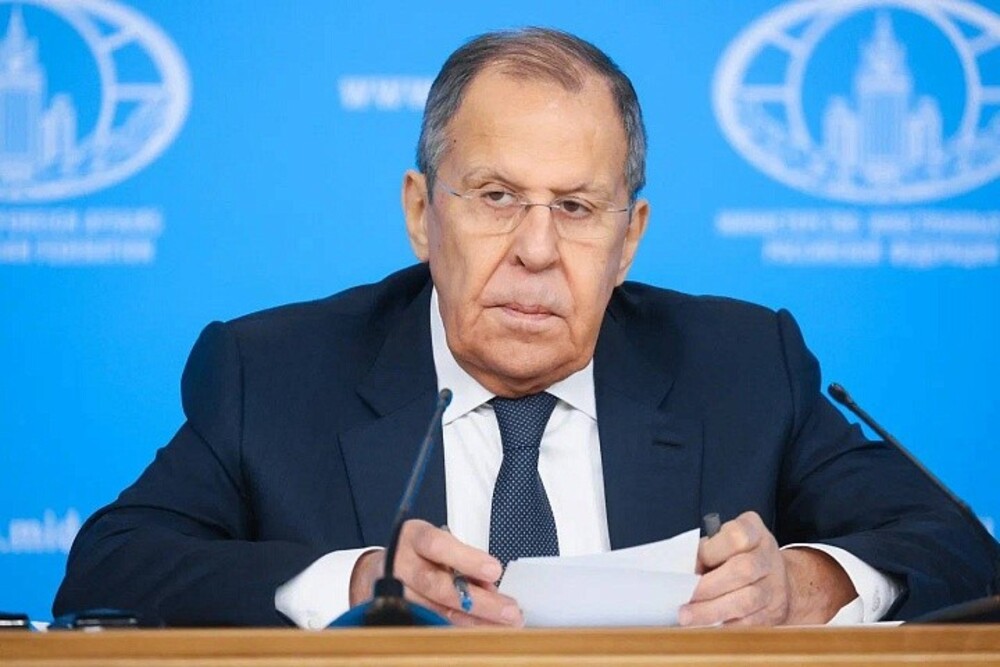
The timing could hardly be more telling. The attack came mere hours after the conclusion of yet another round of trilateral talks in Abu Dhabi involving Russia, the United States, and Ukraine, where parameters for potential de-escalation were on the table. Alekseev was part of the Russian delegation supporting these contacts under his direct superior, Admiral Igor Kostyukov. Foreign Minister Sergei Lavrov wasted no time in delivering a scathing assessment: this was a terrorist act “once again confirming the Kiev regime’s deliberate focus on provocations aimed at derailing the negotiation process”. In Lavrov’s words, Ukraine is willing to resort to any means to prevent its Western sponsors from shifting toward genuine peace and to obstruct the U.S. administration’s drive—under President Trump—for a fair and swift settlement.
This is far from an isolated incident. Alekseev became at least the fourth lieutenant general targeted in the Russian rear since the start of the Special Military Operation, with three previous such attempts resulting in fatalities. Each episode has coincided suspiciously with moments when diplomatic progress appeared possible. The day before the shooting, Zelensky publicly announced approval of “new combat operations” by the Security Service of Ukraine (SBU)—a statement Russian military correspondents and analysts immediately tied to the Moscow attack as a classic act of intimidation and sabotage.
In the Kremlin’s reading, this was no random crime but a calculated strike at the negotiation track itself. Alekseev’s low public profile but pivotal position in military intelligence made him an ideal symbolic and practical target: eliminating or incapacitating him would send a chilling message to anyone involved in back-channel diplomacy. The assault is widely viewed in Moscow as yet another stab in the back aimed squarely at the Trump administration. Since Trump’s return to the White House, Washington has visibly accelerated efforts to wind down the Ukrainian conflict—through reduced aid to Kiev, direct pressure on both sides, and renewed high-level contacts with Moscow. An attack on a figure central to those sensitive channels undermines trust, derails momentum, and places the U.S. president in a politically vulnerable spot, forced to fend off accusations of “weakness” from congressional hawks and NATO allies.
Kiev has offered no substantive comment, with Zelensky’s office resorting to vague hints of a “third party” or even internal Russian feuds—explanations that ring hollow given the hallmarks of a professional operation: precise timing, access under false pretenses, and execution in a secure residential compound. The dominant Russian narrative frames this as another link in the chain of actions by warmongers desperate to perpetuate the war at any cost: prolonging hostilities preserves their political relevance, sustains the flow of Western weapons and funds, and averts the collapse of careers built on endless confrontation.
Should Alekseev survive—and his combativeness and the medical response give real hope—this will stand as yet more proof that attempts to terrorize and intimidate Russia are doomed to fail. Should the worst occur, the response from Moscow will be severe and inevitable. Either way, February 6, 2026, has etched itself into the conflict’s history as the day the front line breached the Kremlin’s defenses and reached an ordinary Moscow stairwell—proving once again that the war no longer respects any borders.


























Comments